Overview: The Art of the Read in Malaysian Poker
Welcome to the ultimate guide for Malaysian poker players looking to gain a psychological edge. In the vibrant, intense world of live poker, from friendly home games in Kuala Lumpur to more serious tables across the country, the cards you're dealt are only half the story. The other half is a silent conversation, a battle of wits fought through subtle glances, trembling hands, and shifts in posture. This is the art of reading poker tells and body language.
A 'tell' is any observable change in an opponent's behaviour that reveals information about the strength of their hand. Mastering this skill can transform you from a player who simply plays their cards into one who plays the opponent. It’s the difference between guessing and making an educated, profitable decision. While mathematical fundamentals like pot odds and game theory optimal (GTO) play are the bedrock of a winning strategy, layering in the ability to read people adds a powerful, exploitative dimension that is especially effective in live games.
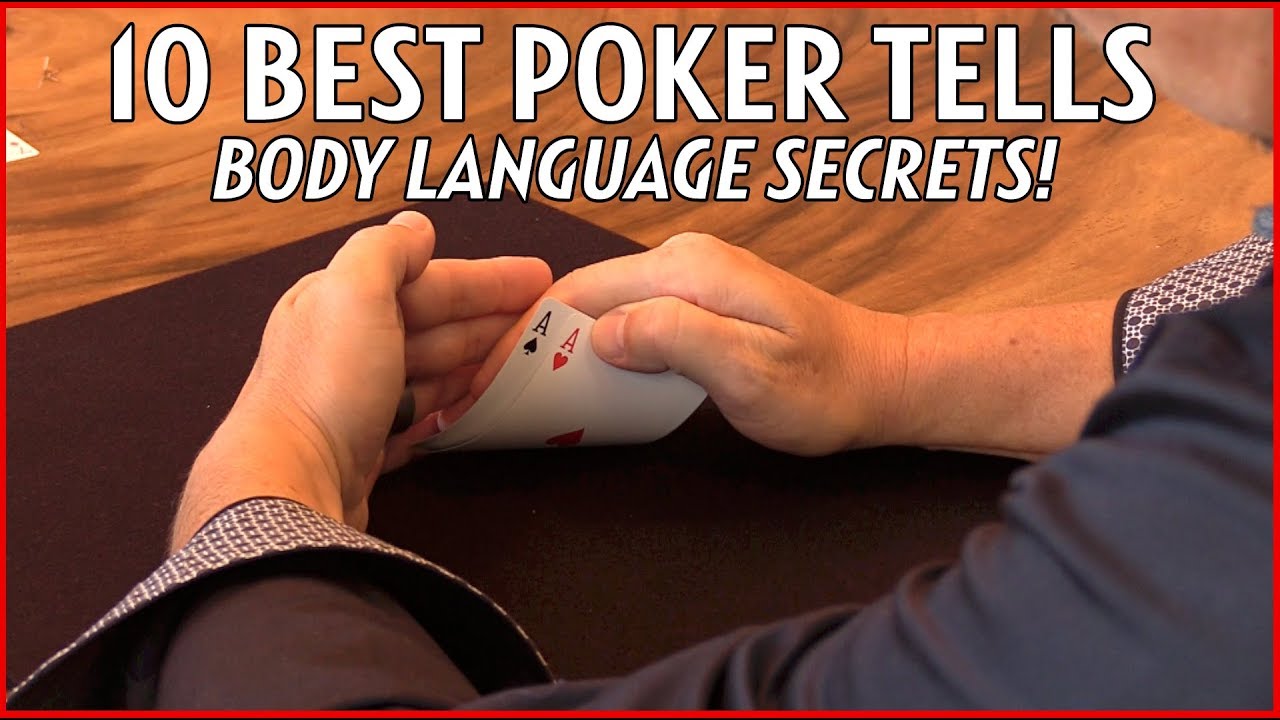
This guide is specifically tailored for the Malaysian poker scene. We'll explore universal tells but also touch on cultural nuances that might influence player behaviour at a local table. We will cover how to establish a baseline for your opponents, decode specific physical and verbal cues, and most importantly, how to verify your reads and avoid falling for false information. Remember, reading tells isn't a superpower; it's a skill developed through careful observation, critical thinking, and disciplined practice. It’s about collecting data points that, when combined with solid poker strategy, can significantly increase your win rate. Prepare to stop playing the cards and start playing the player.
Foundations: Establishing a Player's Baseline
Before you can spot a 'tell', you must first understand what is normal. A tell is not an action in isolation; it is a *deviation* from a player's standard behaviour. This standard behaviour is called their 'baseline'. Trying to interpret a single action without knowing the player's baseline is pure guesswork and will cost you money. For example, if a player's hands are shaking, you might think they have a monster hand. But what if they are naturally anxious or have had too much 'kopi'? Their hands might always shake. In that case, the shaking is part of their baseline and means nothing. The real tell would be if their hands *stopped* shaking.
Establishing a baseline is the most critical and often overlooked part of reading players. It requires patience and active observation from the moment you sit down. Here’s how to do it effectively:
- The First 20 Minutes are for Observation: Don't get too involved in big pots early on. Use the first few orbits to profile everyone at the table. Your primary job is to gather information, not to win every pot. Watch people when they are not even in a hand. How do they sit? How do they stack their chips? Are they talkative or silent?
- Categorize Player Types: Quickly try to put players into broad categories. Is there a 'Lao Shu' (old mouse) who is tight and cautious? Is there an aggressive 'Kaki Judi' who plays too many hands? Is there a tourist who seems lost? In a typical Malaysian home game, you might find the chatty uncle, the quiet young professional, and the student trying to play like the pros on TV. Each will have a vastly different baseline.
- Note Physical Habits: Pay attention to their default state.
- Posture: Do they naturally lean forward, or are they always slumped back in their chair?
- Chip Stacking: Do they have a neat, orderly stack or a chaotic pile? Do they constantly riffle their chips, or do they leave them alone? A sudden change in chip riffling (speeding up, slowing down, or stopping completely) is a very powerful indicator.
- Card Checking: How do they look at their hole cards? Do they lift them high? Do they peek quickly? Do they look once or multiple times? A player who looks back at their cards after a favourable flop (e.g., an all-spade flop) might be checking if they hold the ace of spades for the nut flush draw.
- Note Verbal Habits: Is the player a 'Drama King', always talking and telling stories? Or are they stoic and silent? If a silent player suddenly starts talking in a big pot, that's a significant deviation. Conversely, if the table's chatterbox goes completely quiet, they are likely concentrating very hard on a major decision or a very strong hand.
The goal is to build a mental snapshot of each player's 'neutral' state. Only then can you accurately spot the changes in breathing, posture, and behaviour that signal strength or weakness. Without a baseline, you're just flipping a coin.
Advanced Strategy: Decoding Common Poker Tells in Malaysia
Once you've established a baseline for your opponents, you can begin to look for deviations. A fundamental principle in reading tells, especially with amateur players, is 'weak means strong, and strong means weak'. Players with weak hands (bluffs) will try to act strong and intimidating to force a fold. Players with monster hands will often act weak or disinterested to keep you in the pot and get a call. However, this is a generalisation, and you must always consider the context. Here is a detailed breakdown of common tells.
Category 1: The Face and Eyes
- Eye Contact: A player bluffing will often try to stare you down. This is an act of intimidation, a conscious effort to appear strong. Conversely, a player with the nuts will often feel uncomfortable making eye contact, subconsciously afraid their eyes will give away their excitement. They might look at the flop, at their chips, or anywhere but at you.
- Quick Glance at Chips: This is one of the most reliable tells in poker. When the flop comes, a player who hits it hard will often take a quick, involuntary glance down at their chip stack (or their opponent's stack). They are subconsciously getting ready to bet and sizing up the pot. This happens very quickly, so you must be watching for it.
- Blinking and Pupil Dilation: An increased blink rate can signal anxiety or lying (a bluff). However, for some, the adrenaline of a monster hand can also cause this. Pupil dilation is a genuine sign of excitement or interest, but it's almost impossible to spot without being uncomfortably close, especially in a dimly lit room.
Category 2: Hands and Chip Handling
- Shaky Hands: This is a classic tell that is often misinterpreted. New players assume shaky hands mean nervousness from bluffing. In reality, it is far more often a sign of a massive, legitimate hand. The body releases adrenaline when a player makes the nuts or a huge hand, causing uncontrollable tremors. This is particularly reliable in less experienced players. A professional player can control this or even fake it.
- How They Bet: A player with a strong hand often makes a smooth, deliberate betting motion, sliding their chips forward cleanly. A bluffer, on the other hand, might make a more dramatic, splashy bet, trying to add a layer of aggression and intimidation. They are 'acting' the part of a strong player.
- Protecting Hole Cards: Players who are suddenly very protective of their cards, perhaps placing a chip firmly on top or keeping their hands cupped around them, often have a strong holding they don't want anyone to see. A player ready to fold will be careless with their cards, often holding them loosely, ready to flick them to the muck.
- Reaching for Chips Early: A player who reaches for their chips before it's their turn to act is often signalling an intention to bet. This can be a sign of strength, as they are eager to get money in the pot. It can also be an angle shoot to discourage others from betting. Be wary of this one.
Category 3: Body Posture and General Demeanour
- Leaning Forward vs. Leaning Back: When the flop comes and a player suddenly leans forward, becoming more engaged and focused on the action, it's a strong indicator they are interested in the pot. Their hand has likely improved. Conversely, a player who slumps in their chair, crosses their arms, or leans back often signals disinterest. They've missed the flop and are mentally getting ready to fold.
- Sudden Stillness: When a player who is normally fidgety or animated suddenly becomes perfectly still and quiet, it's a major red flag. Their brain is in overdrive, processing a complex situation. This often happens when they are contemplating a huge bluff or, more likely, holding a monster hand and deciding how to extract the most value.
Category 4: Verbal and Timing Tells
- The Sigh or Whine: The 'weak means strong' principle is very prominent here. A player who hits a monster hand might let out a small sigh or say something like, 'Aiya, so expensive ah?' or 'You probably got me... but I call'. This is acting, designed to make them look weak to induce a call or prevent a further raise. Genuine weakness is usually silent.
- Insta-Betting vs. Long Pauses: A very fast bet ('insta-bet') often indicates a medium-strength hand like top pair or a strong draw. The decision is easy: the hand is not strong enough to trap with and not weak enough to fold. A player with the absolute nuts or a total bluff will usually pause. The player with the nuts pauses to consider how to get paid maximum value. The bluffer pauses to build courage and appear thoughtful. A long pause followed by a check is almost always weakness. A long pause followed by a large bet is polarized – it's usually the nuts or air.
In the Malaysian context, be aware of the 'face' (maruah) concept. Some players may be more hesitant to run massive bluffs because the embarrassment of being caught is a powerful social deterrent. Observe how players react when they win or lose a pot. Do they showboat? Do they get angry? This all feeds into their psychological profile.
Statistics: Tells vs. Reality, Reliability, and False Positives
While reading tells feels like an art, it's crucial to approach it with a scientific mindset. A tell is a data point, not a conclusion. Its value must be weighed against all other available information. Over-reliance on a single tell is a common and expensive mistake. This section breaks down the reliability of common tells and emphasizes the importance of context.
The reliability of a tell depends on several factors: the player's experience level, the situation, and whether the tell is consistent with their betting patterns. Tells are most potent against inexperienced, amateur players who lack control over their subconscious reactions. Against seasoned professionals or 'thinking' players, you must be wary of 'false tells'—deliberate actions designed to mislead you.
Here is a table outlining some common tells, their likely meaning, and their general reliability score against an average, non-professional player often found in Malaysian home games or local card rooms.
| The Tell | Common Interpretation | Reliability (vs. Amateurs) | Context & Notes |
|---|---|---|---|
| Shaky Hands (Adrenaline) | Strength (Monster Hand) | High | One of the most reliable tells. It's an involuntary physiological response to excitement. Less reliable if the player is naturally anxious or cold. |
| Quick Glance at Chip Stack | Strength (Hit the Flop) | High | An instinctive action to prepare for a bet. The player is sizing up the pot. Must be a quick, almost hidden glance to be reliable. |
| Insta-Call or Insta-Bet | Medium Strength / Draw | High | Indicates an easy decision. The hand is good enough to continue but not strong enough to warrant complex thought about raising or trapping. |
| Acting Weak (Sighing, Shrugging) | Strength (Trapping) | Medium-High | Classic 'weak means strong'. The player wants your money and is trying to appear non-threatening to encourage you to bet or call. |
| Intimidating Stare-Down | Weakness (Bluffing) | Medium | A conscious act of aggression to force a fold. A genuinely strong hand doesn't need to intimidate; it wants to get paid. |
| Leaning Forward / Engaged | Strength / Interest | Medium | A general indicator of interest. The player's hand has connected with the board in some way. They are 'in' the hand mentally and physically. |
| Covering Mouth or Face | Weakness / Uncertainty | Medium | A subconscious gesture to conceal emotion. Often associated with the stress of bluffing or being unsure of a decision. |
| Sudden Stillness | Polarized (Nuts or Big Bluff) | Low-Medium | This is a tough one. It means the player is thinking hard. You must use betting patterns and other info to determine if it's a value hand or a bluff. |
The Danger of False Positives
Never risk your entire stack based on a single tell. A player might glance at their chips because they were just counting them. Their hands might shake because they drank too much 'teh tarik'. They might lean forward because they have a bad back. Always look for clusters of tells. For example, if a player quick-glances at their chips, then makes a smooth, deliberate bet, and avoids eye contact, the combination of these three tells points much more reliably to strength than any single one on its own.
The ultimate confirmation of a tell is the showdown. When you think you have a read, make a mental note. Then, see the cards at the end of the hand. Was your read correct? This feedback loop is the only way to calibrate your interpretations and improve your accuracy. Without showdown confirmation, you are operating in a vacuum of assumptions.
How to Practice in Malaysia: A Player's Guide to Sharpening Your Senses
Reading poker tells is not an innate talent; it's a skill honed through deliberate practice and disciplined observation. You can't just read a guide and become an expert overnight. Here is a step-by-step plan for Malaysian players to develop this crucial part of their game.
Step 1: Become a Silent Observer
Your first practice sessions shouldn't even involve playing. Find a local game, perhaps with friends or at a community card room. Sit away from the table and just watch for an hour. Don't worry about the cards or the betting. Your sole focus is to observe the people. Try to establish a baseline for 2-3 different players. Note their posture, their habits, their level of talkativeness. This 'no-pressure' observation trains your brain to look for human behaviour instead of just focusing on the cards.
Step 2: Practice in Low-Stakes Environments
Once you're ready to play, start at the lowest stakes you can find. Friendly home games where you're playing for small amounts ('main kecil-kecil') are perfect. When the financial pressure is low, you can dedicate more of your mental energy to observation rather than stressing about the money. This is your gym, your training ground. Don't be afraid to make a 'bad' call or fold if you're doing it to test a read.
Step 3: Focus on One Tell at a Time
Don't try to track everything at once; you'll get overwhelmed. Dedicate an entire session to focusing on a single category of tells.
- Session 1: Hands. For the next two hours, your mission is to watch every player's hands. How do they handle their chips? Are they shaking? Do they protect their cards? Ignore everything else.
- Session 2: Face & Eyes. The next time you play, focus only on eye contact and facial expressions. Who looks where after the flop? Who stares? Who smiles?
- Session 3: Posture. For this session, track who leans in, who slumps back, who sits up straight when they get their cards.
By isolating tells, you train your brain to automatically pick up on these signals in the future, freeing up your conscious mind to focus on strategy.
Step 4: The Showdown Rule - Your Feedback Loop
This is the most important step. Reading tells without confirmation is useless. Whenever you spot a potential tell and form a hypothesis ('I think he is bluffing because he is staring at me'), you must see the hand to showdown to know if you were right. If the opponent folds, you learn nothing. If you call and see their cards, you get invaluable feedback. Keep a small notebook or a note on your phone. Write down the player, the situation, your read, and the result. For example: 'Table 5, Seat 3 (Uncle): Sighed and bet big on the river. My read: Strong hand. Result: He had the nuts. Read was correct.' This disciplined process of hypothesis and verification is how you turn guesswork into a reliable skill.
Step 5: Control Your Own Tells
As you learn to read others, you must also learn to be unreadable. The goal is to become a 'poker robot' in your mannerisms.
- Be Consistent: Try to take the same amount of time for every decision, whether you have the nuts or complete air. Count to five in your head before acting.
- Adopt a Neutral Posture: Find a comfortable, relaxed posture and maintain it. Don't lean in or slump back. Keep your hands clasped in your lap or in another neutral position when not in a hand.
- Control Your Chip Stacking: Decide on one way to bet—either sliding or placing—and stick to it. Don't change your method based on your hand strength.
- The Sunglasses Debate: In Malaysia, wearing sunglasses indoors can sometimes be seen as 'action' or trying too hard. However, if you know your eyes are very expressive, they can be a useful tool to hide information. The trade-off is that they also signal that you are thinking about tells, which can put experienced players on alert.
Expert Verdict: Integrating Tells into Your Winning Strategy
We've journeyed through the intricate world of poker tells, from establishing baselines to decoding the subtle language of the live poker table. The key takeaway is this: reading tells is a powerful but supplementary skill. It is the spice, not the main course. A winning poker strategy in Malaysia, or anywhere else, is built on a solid foundation of mathematics, logic, and discipline. Tells are the final layer you add to exploit your opponents' human weaknesses.
To put it all together, you must understand the hierarchy of information at the poker table. When making a decision, you should consider information in this order:
- Game Fundamentals: What is my position? What are the pot odds? What is my hand's equity against my opponent's likely range? This is the mathematical core of the game and should always come first.
- Opponent's Betting Pattern: Is this player tight or loose? Passive or aggressive? What does their bet sizing on the flop, turn, and river tell me about their perceived range of hands? This historical data is more reliable than a single physical tell.
- The Specific Situation: What is the board texture? How many players are in the hand? What is the stack-to-pot ratio? The context of the hand is paramount.
- Physical and Verbal Tells: Having considered all of the above, you can now use a physical tell as a 'tie-breaker' or a 'confidence booster'. If the math says it's a close call and you spot a reliable tell (like shaky hands), it can push your decision one way or the other. If a tell completely contradicts all the other information, be very suspicious. It might be a false tell, or you may have misinterpreted it.
For players in the Malaysian scene, mastering tells offers a significant advantage. Many games are populated by recreational players who are less aware of the information they are leaking. By being the most observant, disciplined player at the table, you can gain a substantial edge.
Your journey doesn't end with this guide. It begins at the table. Be patient. Be observant. Use the showdown to calibrate your reads. Control your own emissions. By integrating the art of the read with the science of poker, you will elevate your game to a new level. Stop playing your cards and start playing the player. Good luck, and may you always find that extra edge at the tables. Selamat maju jaya!