Overview: The Digital Rise of Malaysia's Favourite Pastime
Mahjong is more than just a game in Malaysia; it's a cultural institution, a fixture at family gatherings, and a test of wit and luck shared between 'kaki' (friends). For generations, the clatter of tiles has been the soundtrack to celebrations and casual get-togethers. Today, this cherished tradition has evolved, moving from the coffee shop and living room to the vibrant, fast-paced world of online casinos. This guide is your definitive resource for navigating and conquering online Mahjong in Malaysia.
Playing online offers unparalleled convenience, allowing you to find a game anytime, anywhere, against a diverse pool of players. However, the digital format introduces new challenges and strategic considerations. The speed is faster, the opponents are often more aggressive, and the subtle physical tells are gone, replaced by data-driven patterns. From our experience analysing hundreds of hands at Malaysian-facing online casinos, we've found that the pace of online play demands a different strategic mindset than a casual game at home. This guide will equip you with the advanced strategies needed to thrive in this environment, covering everything from Malaysian-specific rules to bankroll management in MYR and reading digital opponents.
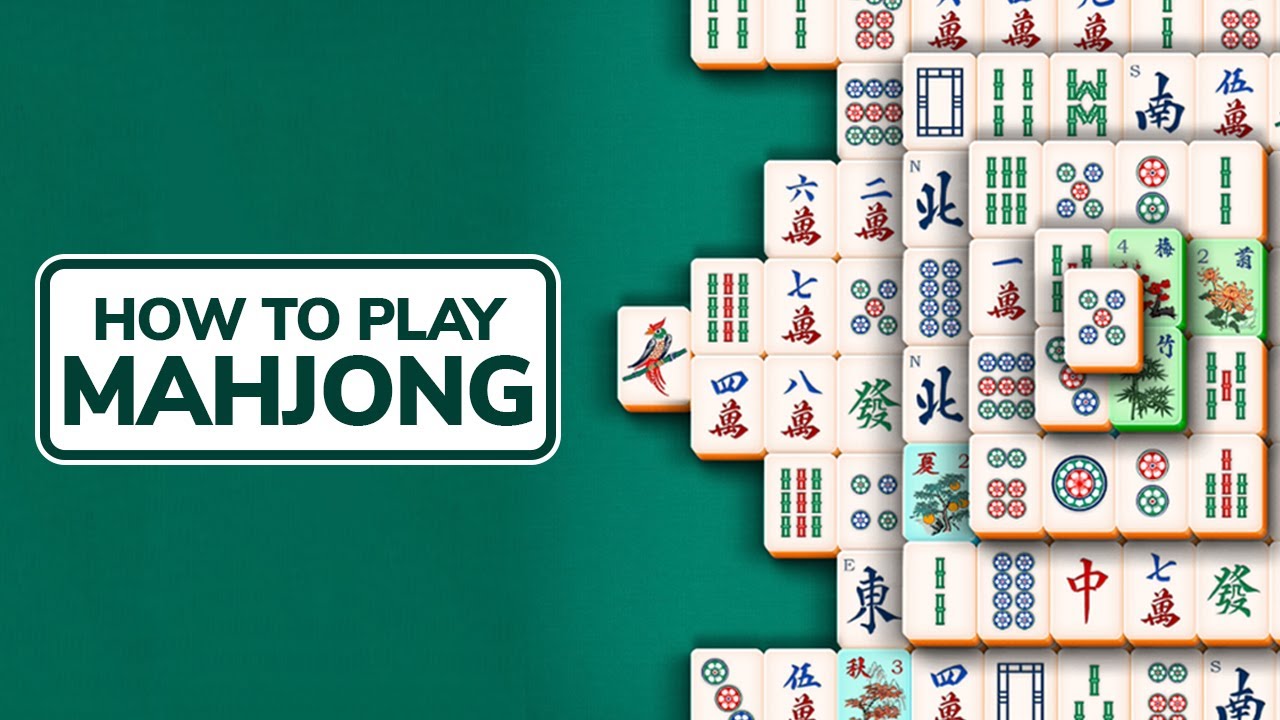
Whether you're a seasoned player looking to take your winnings online or a newcomer fascinated by the game's complexity, our expert insights will transform your approach. We'll break down probabilities, dissect winning hand combinations, and provide a step-by-step walkthrough of playing for real money on secure platforms. Prepare to elevate your game from a social pastime to a disciplined, profitable skill.
Malaysian Rules & Setup: Know the Battlefield
Before you can win, you must master the rules. While Mahjong has countless variations, most online casinos catering to Malaysia use a version of the standard Malaysian 4-player ruleset. Understanding these nuances is the first step to gaining an edge.
The Tiles
A standard Malaysian Mahjong set consists of 144 tiles:
- Suits (108 tiles): Divided into three suits - Circles (Tong), Bamboo (Sou), and Characters (Man). Each suit has tiles numbered 1 through 9, with four copies of each.
- Honour Tiles (28 tiles): These are powerful scoring tiles. They include the four Winds (East, South, West, North) and three Dragons (Red, Green, White). There are four copies of each.
- Bonus Tiles (8 tiles): These are not part of your hand but provide bonus points ('fan') when drawn. They consist of four Flower tiles and four Season tiles. In Malaysia, specific animals are often associated with these tiles (e.g., Cat, Rat, Rooster, Centipede).
Game Objective & Setup
The goal is to form a complete hand of 14 tiles, which typically consists of four sets and a pair (an 'eye').
- Pair (Eye): Two identical tiles.
- Chow: A sequence of three tiles from the same suit (e.g., 3, 4, 5 of Bamboo).
- Pung: A set of three identical tiles (e.g., three Red Dragons).
- Kong: A set of four identical tiles. A Kong acts as a set but requires you to draw an extra tile to maintain a 14-tile hand.
The game begins with players building the 'wall' and rolling dice to determine who deals (East wind). Each player is dealt 13 tiles. The dealer starts with 14 and makes the first discard.
Gameplay Flow
- Draw: On your turn, you draw one tile from the wall.
- Action: You can then form a winning hand ('Mahjong' or 'Hu'), declare a Kong, or discard a tile.
- Discard: You discard one tile from your hand into the center, placing it face up.
- Claiming Discards: After a player discards, any other player can claim that tile to complete a Pung, a Kong, or a winning hand. A player can only claim a discard to form a Chow if they are seated directly after the discarding player in the turn order. A claim for a Mahjong or Pung/Kong takes precedence over a Chow claim.
Winning and Scoring ('Fan' or 'Tai')
To win, you must not only form a valid hand but also meet a minimum point requirement. These points are called 'Fan' (番) or 'Tai' (台). The specific 'fan' value of different patterns varies slightly between platforms, but common examples include:
- All Pungs (Pong Pong Hu): A hand with four Pungs and a pair. (High Fan)
- Half Flush (Puin Sik): A hand made of only one suit plus Honour tiles. (Medium Fan)
- All Honours: A hand consisting only of Wind and Dragon tiles. (Very High Fan)
A key Malaysian rule is the 'kangkang' or 'robbing the Kong', where if a player promotes a Pung to a Kong by adding a fourth tile, and you need that tile to win, you can declare 'Mahjong' and win off their Kong, often with a 'fan' bonus.
Winning Strategy Guide: From Novice to Master
Online Mahjong is a game of calculated aggression and disciplined defence. Luck gets you the tiles, but strategy wins the money. We'll break down our strategy into three phases of the game.
Early Game (First 5 Discards): Setting the Foundation
The first few turns are about shaping your hand and assessing its potential without revealing your intentions.
- Discard Strategy: Get rid of loose, isolated tiles first. These are typically lonely Wind and Dragon tiles (unless you have a pair), and edge tiles like 1 and 9 that are harder to form Chows with.
- Patience is Key: Don't rush to call the first 'Chow' you see. Exposing a set early reveals part of your hand and limits your flexibility. It's often better to wait and draw tiles yourself to keep your hand concealed and flexible.
- Assess Potential: Look at your starting 13 tiles. Do you have many pairs? Aim for a 'Seven Pairs' hand. Do you have many tiles from one suit? A 'Flush' might be possible. Your early discards should be tiles that don't fit into your most probable winning hand.
Mid Game (Wall is Half Gone): The Decisive Phase
This is where games are won and lost. Your hand should have a clear direction, and you must now balance offense with defense.
- Commit or Fold: By now, you should know if you're in a strong position to win ('offense') or if your hand is weak ('defense'). If multiple opponents have exposed Pungs and the discards are getting dangerous, it might be time to abandon your ambitious 'All Pungs' hand and switch to a defensive posture.
- Tile Safety (Suji): The most critical skill in Mahjong. Pay close attention to the discard pile. A 'safe' tile is one that you believe no one needs to win. If a player discards a 5 of Circles, the tiles around it (like 4 and 6) are now slightly more dangerous, but tiles they have already discarded themselves, or tiles from a suit they are clearly ignoring, are safer. The golden rule: If in doubt, discard what has been discarded before.
- Bankroll Management: The fast pace of online play can lead to quick losses. It's crucial to apply sound bankroll management. If you're playing with MYR 1 per point, a single bad loss on a high-fan hand could cost you MYR 50 or more. Set a strict stop-loss for each session. While Mahjong is a beloved social game, playing for money online falls into a grey area under Malaysia's Common Gaming Houses Act 1953. Players should exercise extreme caution and use reputable, licensed offshore casinos that cater to Malaysian players and offer transactions in MYR. Never bet more than you can afford to lose.
Late Game (Last Wall): The Endgame
With only a few tiles left in the wall, the tension is high. Every discard is a risk.
- Defensive Masterclass: If you are not in 'tenpai' (one tile away from winning), your absolute priority is to not discard a winning tile. This is called avoiding 'zong' or 'feeding'. In Malaysian Mahjong culture, feeding a big hand is a cardinal sin. Discard only the safest tiles, even if it means breaking up your own sets. It's better to lose a small amount by not winning than to lose a large amount by causing someone else to win.
- Reading the Table: Look at the exposed sets and the discard pools. If a player has two exposed Pungs of Bamboo tiles, do not discard any more Bamboo tiles. If a player has discarded no Character tiles, they are likely building a Character-based hand. Use this information to predict their waiting tile and avoid it.
- Tenpai Awareness: If you are in 'tenpai', consider the probability of your waiting tile. A wait on a middle number (like waiting for a 3 or 6 to complete a 4-5 Chow) is much better than an edge wait (waiting on a 3 to complete a 1-2 Chow). If your wait is on a dangerous-looking tile, it may be wiser to abandon 'tenpai', switch your hand, and play for a draw.
Odds & Statistics: The Math Behind the Tiles
Elite Mahjong players are not just lucky; they are intuitive statisticians. Understanding the underlying probabilities of the game allows you to make informed decisions rather than blind guesses. The principles of game theory, as explored by mathematicians at institutions like MIT, can be directly applied to Mahjong. Every discard provides information and alters the probability matrix of the remaining tiles. Here are some key statistics to internalize.
This table outlines common scenarios and the statistical probability or strategic implication behind them. Use this data to guide your decisions, especially when choosing between two plays.
| Game Scenario | Probability / Strategic Implication |
|---|---|
| Starting Hand with a Pair of Honour Tiles | High value (~30-35% chance). A pair of Dragons or the prevailing Wind is a strong start. Prioritize making it a Pung, but be ready to discard if no more appear by mid-game. |
| Completing a Chow vs. a Pung | A Chow is statistically easier to form from a two-sided wait (e.g., a 4-5 waiting on a 3 or 6) than a Pung is from a pair (waiting on 2 remaining tiles). Prioritize flexible Chow-based hands early on. |
| Drawing a Specific Tile (1 copy left) | With 50 tiles left in the wall, the probability is 1/50 or 2%. This is a low-probability 'hero' draw. Never rely on chasing a single, specific tile to win unless it's for a very high-fan hand. |
| Value of a Concealed Hand | A concealed hand (no exposed sets) is strategically superior. It hides your intentions, increases your defensive options, and often comes with a 'fan' bonus for being fully concealed or for a self-drawn win (Zimo). |
| Probability of 'Tenpai' (Waiting Hand) | A hand with more waiting tiles is exponentially better. A wait on 3 different tiles is far more powerful than a wait on a single tile. Always aim to maximize your 'outs'. |
| Safety of 'Dead' Tiles | A tile is considered 'dead' if all four copies are visible (in your hand, in discards, in exposed sets). Tracking these is a simple but effective way to identify 100% safe discards in the late game. |
| Odds of a Player Holding a Flush | If a player has not discarded any tiles from a particular suit by the mid-game, and has called a Pung or Chow from that suit, the probability they are building a Flush or Half-Flush is very high. Stop feeding them tiles from that suit immediately. |
Remember, these probabilities are a guide, not a gospel. The actions of your opponents provide context. If a tile is statistically likely to appear but an opponent seems to be desperately avoiding that suit, your intuition should override the raw numbers. The best players blend statistical knowledge with sharp observation.
How to Play Online: A Step-by-Step Guide for Malaysian Players
Making the leap to online Mahjong is simple. Here’s a walkthrough of a typical session, from login to payout, tailored for players in Malaysia.
- Step 1: Select a Reputable Online Casino
This is the most important step. Do not just Google 'online mahjong' and click the first link. Look for platforms that are licensed (common licenses include PAGCOR or Curacao Gaming), have positive player reviews on forums, and explicitly cater to the Malaysian market. Secure SSL encryption (the padlock in your browser's address bar) is non-negotiable. - Step 2: Register and Fund Your Account in MYR
Registration is usually straightforward. You'll need to provide some basic details. The key is the deposit process. The best casinos for Malaysians offer familiar and secure payment methods:- FPX / Online Banking: Direct transfers from major Malaysian banks like Maybank, CIMB, and Public Bank.
- E-Wallets: Increasingly popular, look for support for GrabPay, Touch 'n Go (TNG), and DuitNow QR.
- Local Bank Transfer: A reliable, albeit slower, method.
- Step 3: Navigate to the Mahjong Lobby
Once your account is funded, find the game section. Mahjong is often listed under 'Table Games', 'Other Games', or may have its own dedicated category. You will likely see a lobby with various tables. - Step 4: Choose Your Table
The lobby will display critical information for each table:- Player Count: 3-Player or 4-Player variant.
- Stakes / Point Value: This is crucial. It will be listed in MYR, e.g., 'MYR 1/point' or 'MYR 5/point'. A 10-fan win at a MYR 5 table could be a MYR 50 win/loss. Choose a stake that aligns with your bankroll.
- Min/Max Bet: The table will have a minimum buy-in and a cap on winnings/losses per round.
- Step 5: The Game Interface
The online interface automates the tedious parts of Mahjong. Your 13 tiles will be displayed at the bottom of the screen, automatically sorted. The discard pool is in the center, and opponents' exposed sets are clearly visible. A timer will indicate how long you have for your turn (usually 10-15 seconds). - Step 6: Playing Your Turn
When it's your turn, a tile will be drawn for you and added to your hand, often highlighted. To discard, simply click on the tile you want to remove from your hand. It will then move to the central discard area. - Step 7: Calling Tiles
This is where online play shines. If a player discards a tile you can claim, pop-up buttons will appear on your screen: 'PUNG', 'KONG', 'CHOW', or 'MAHJONG'/'HU'. You must click the button before the timer runs out to make your claim. The system automatically handles priority, so a Pung claim will always beat a Chow claim. - Step 8: Winning and Scoring
When you are one tile away from winning ('tenpai'), and you either draw the winning tile yourself ('Zimo') or an opponent discards it, the 'MAHJONG' or 'HU' button will become available. Click it to declare your win. The system will then instantly calculate the 'fan' for your hand, display the total points, and automatically debit/credit the accounts of the players involved. There's no room for scoring errors or disputes, making for a smooth and efficient experience.
Expert Verdict: Is Online Mahjong Right for You?
After extensive analysis and play-testing, our verdict is clear: online Mahjong is a superb platform for the serious, strategic player, but it demands respect and discipline.
The advantages are undeniable. The ability to play anytime, the automated scoring that eliminates human error and arguments, and the sheer volume of hands one can play in a session provide an unparalleled environment for skill development. For a Malaysian player who understands the game's depths, the online arena offers a way to test their mettle against a vast and varied player pool, far beyond their immediate social circle.
However, the digital format is a double-edged sword. The rapid pace can pressure players into making mistakes and encourages a more aggressive, sometimes reckless, style of play. The lack of social cues—the subtle twitch when an opponent draws a good tile, the sigh of frustration—removes a layer of information that is integral to the traditional game. Most importantly, the risks associated with online gambling in Malaysia are real. Choosing an unsavory platform can lead to financial loss, while the ease of access can pose a risk for those prone to problem gambling.
Expert Recommendation
Online Mahjong is strongly recommended for experienced Malaysian players who already possess a deep understanding of the game's strategy and nuances. Beginners should first practice extensively in free-play modes until rules and basic strategy are second nature. For seasoned players, the key to success is not just tile strategy, but platform selection and disciplined bankroll management. We advise starting with low-stakes tables (e.g., MYR 1-2 point value) to adapt to the online pace before moving to higher limits. The convenience and sheer volume of play available online offer an unparalleled environment to sharpen your skills, provided you play responsibly. Treat it as a mental sport, manage your funds like a business, and you will find online Mahjong to be a rewarding and intellectually stimulating challenge.